Cost to Build a Mobile App in India in 2026
By Viraj Soft Tech Solutions · 02 Sep 2026
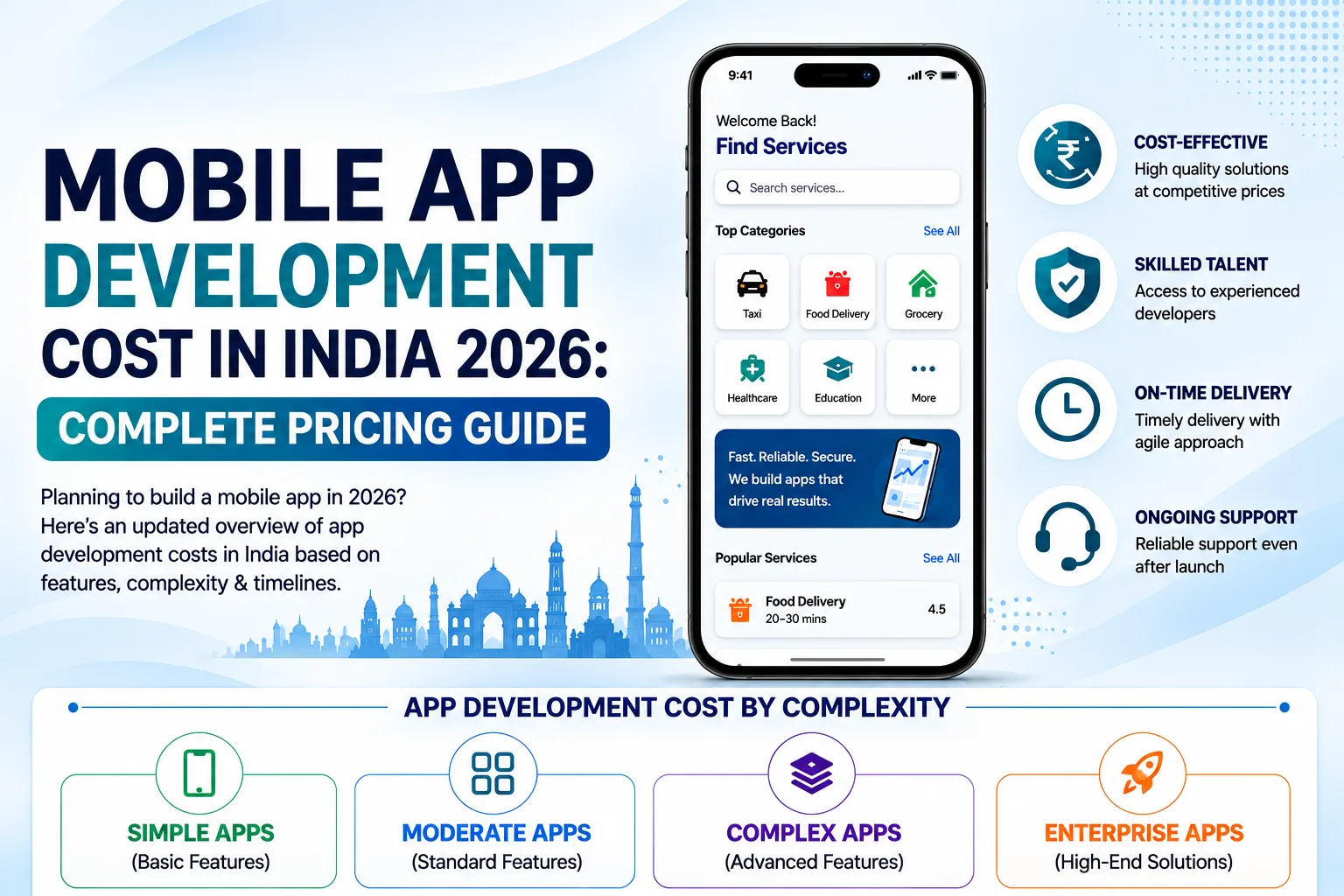
Cost to Build a Mobile App in India in 2026: Complete Pricing Guide
Building a mobile application is one of the most effective ways for businesses to reach customers, improve operations, and grow digitally. However, one of the first questions every startup or business owner asks is: How much does it cost to build a mobile app in India?
The cost of mobile app development in India depends on several factors, including app complexity, features, platform selection, UI/UX design, backend development, and third-party integrations. In 2026, a simple mobile app may cost a few lakhs, while a feature-rich enterprise application can require a significantly higher investment.
In this guide, we will explore mobile app development costs in India, pricing by app complexity, development technologies, additional expenses, and ways to reduce your overall development budget.
1. Mobile App Development Cost in India (2026)
The cost of developing a mobile application depends on the type of application, required features, and technical complexity.
Here are the estimated costs for different types of mobile applications in India:
App TypeEstimated CostBasic Mobile App / MVP₹2–6 lakhMedium Complexity App₹6–15 lakhE-Commerce App₹5–15 lakhMarketplace App₹12–25 lakhEnterprise Mobile App₹25 lakh–₹1 crore+
These are indicative estimates, not fixed development prices. Actual costs depend on project requirements, integrations, design complexity, and development timelines.
2. Cost by Mobile App Complexity
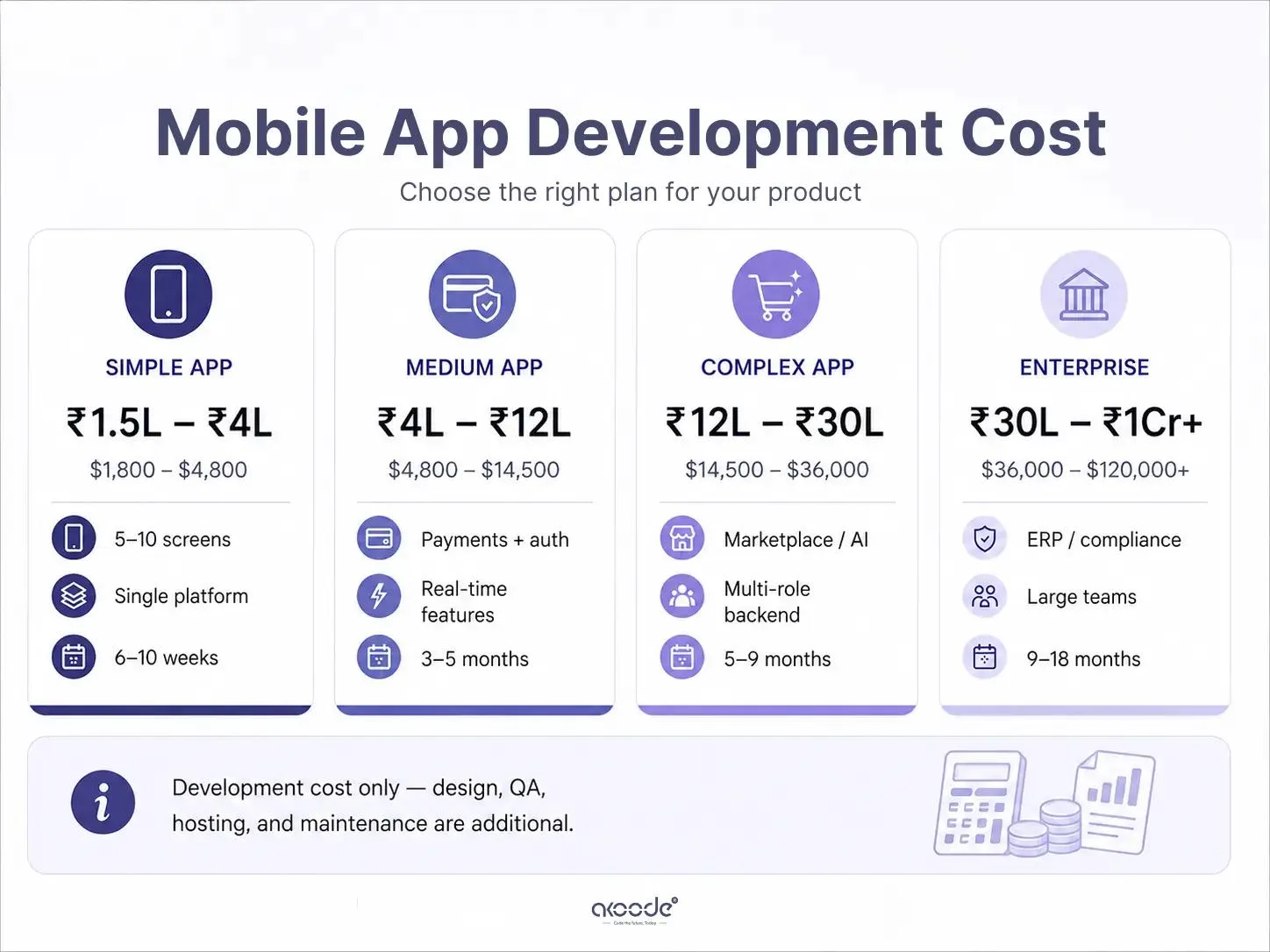
Understanding application complexity helps businesses plan their development budgets more effectively.
Basic App / MVP (₹2–6 Lakh)
A basic mobile application is suitable for startups and small businesses that want to launch their first digital product.
Typical features include:
- User registration and login
- User profile management
- Basic dashboard
- Push notifications
- Simple API integration
- Basic database management
Medium Complexity App (₹6–15 Lakh)
Medium-complexity applications are suitable for growing businesses that require advanced functionality and integrations.
Typical features include:
- User authentication and role management
- Online payment integration
- Product or service management
- Admin dashboard
- Order and booking management
- Third-party API integration
- Advanced notifications
Complex Mobile App (₹15–30 Lakh)
Complex applications are designed for businesses that need advanced digital platforms and customized workflows.
Typical features include:
- Multiple user roles
- Real-time tracking
- Live chat and messaging
- Advanced reporting and analytics
- Payment and wallet systems
- Complex backend architecture
- Advanced user management
Enterprise Mobile App (₹30 Lakh–₹1 Crore+)
Enterprise applications are developed for large organizations with complex business operations and scalability requirements.
Typical features include:
- Multi-branch management
- Advanced business analytics
- Enterprise system integrations
- High-security architecture
- Large-scale database management
- Cloud infrastructure
- Custom business workflows
3. Factors That Affect Mobile App Development Cost
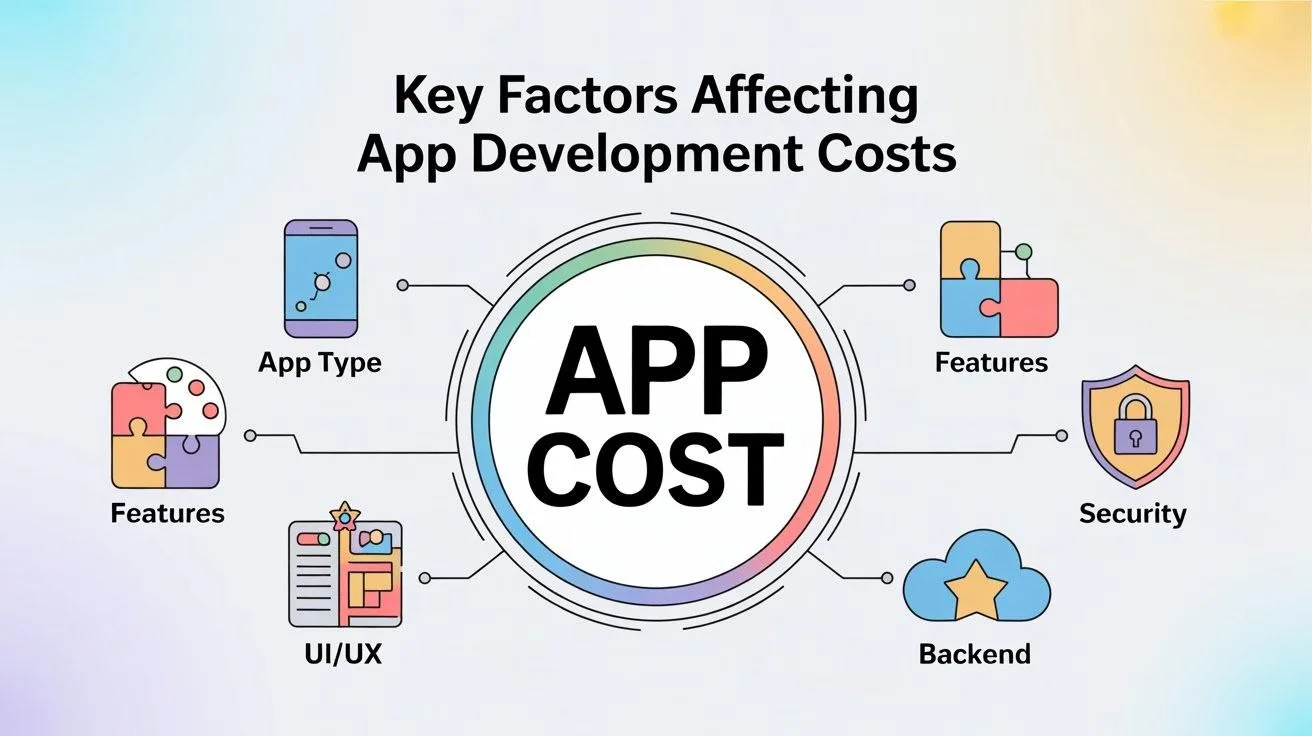
Several important factors determine the total cost of mobile application development.
1. App Complexity
Applications with more screens, features, workflows, and user roles require additional development time and resources.
2. Platform Selection
Developing for Android, iOS, or both platforms can affect the overall budget. Native and cross-platform approaches have different development requirements.
3. UI/UX Design
Custom interfaces, animations, interactive elements, and user experience improvements can increase design and development costs.
4. Backend Development
Backend development includes APIs, databases, authentication, server-side functionality, and business logic.
5. Third-Party Integrations
Payment gateways, Google Maps, SMS services, email notifications, and external APIs can add to development costs.
6. Security Requirements
Encryption, secure authentication, access control, and data protection are important for building reliable mobile applications.
7. Testing and Quality Assurance
Device testing, functional testing, performance testing, and bug fixing are essential before launching an application.
8. Maintenance and Updates
Regular updates, monitoring, bug fixes, and technical support create ongoing expenses after launch.
4. Android vs iOS vs Cross-Platform Development
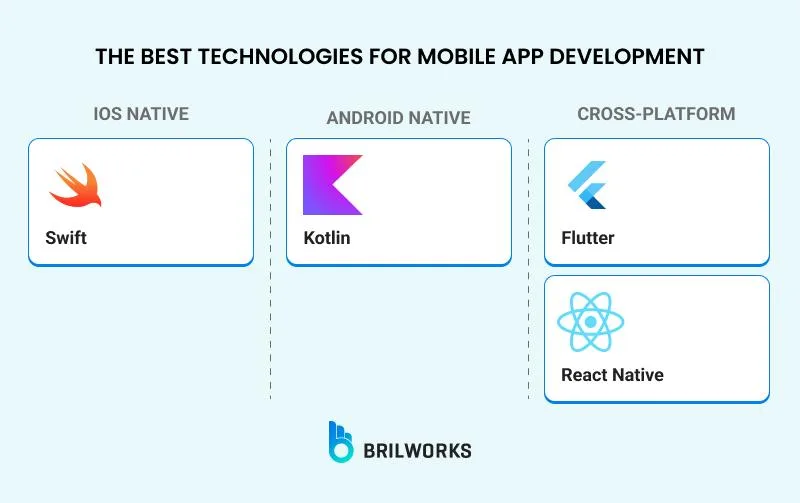
Choosing the right development technology can significantly affect your project budget and long-term maintenance requirements.
TechnologyBest ForMain AdvantageAndroid (Kotlin)Android ApplicationsNative Android functionalityiOS (Swift)Apple ApplicationsNative iOS performanceFlutterAndroid and iOSSingle codebaseReact NativeAndroid and iOSCross-platform development
Which Technology Should You Choose?
Android Development: Choose Android development if your target audience primarily uses Android devices and you need platform-specific functionality.
iOS Development: Choose iOS development if your business targets Apple users and requires native iOS features.
Flutter Development: Flutter is suitable for businesses that want to develop Android and iOS applications using a shared codebase.
React Native Development: React Native is another popular option for building cross-platform applications with shared development resources.
For many startups and businesses, cross-platform development can reduce duplicated development effort compared with maintaining separate native applications.
5. Hidden Costs of Mobile App Development
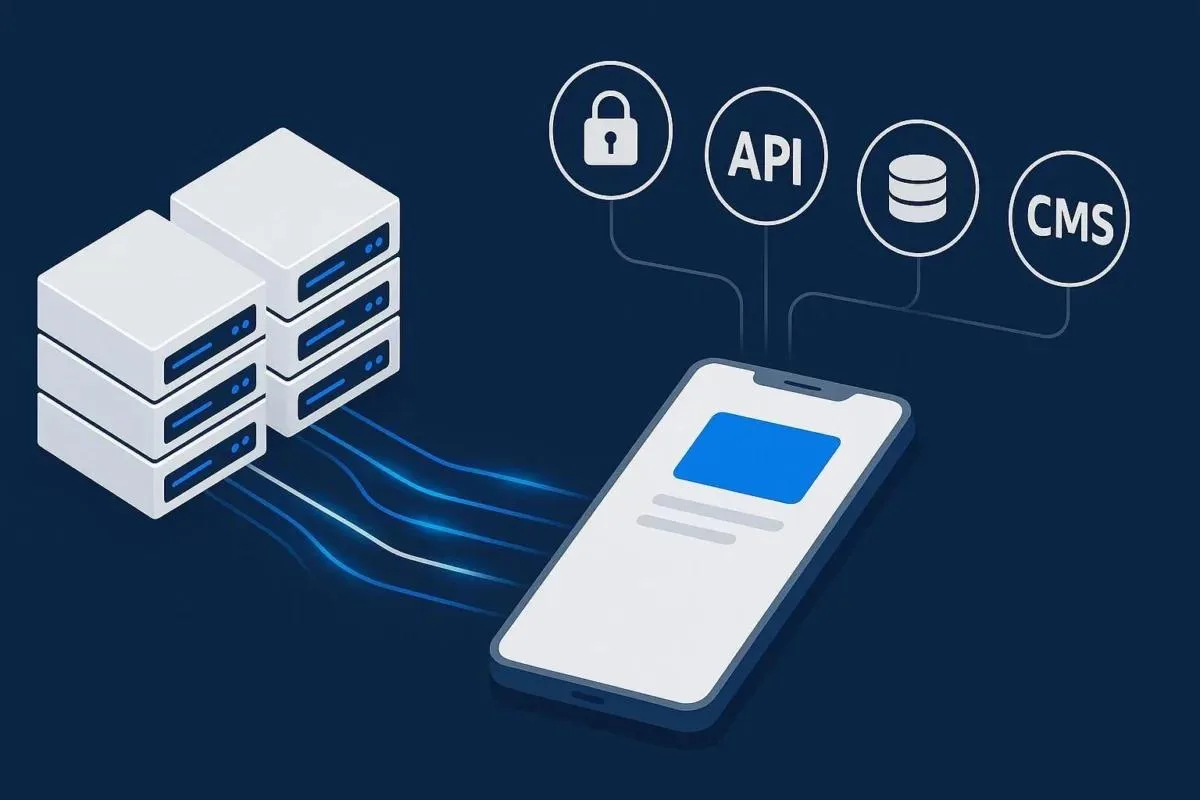
Many businesses focus only on initial development costs and forget about expenses after launching the application.
Here are some additional expenses to consider:
ExpenseDescriptionServer and HostingCloud hosting and server infrastructureDomain and SSLDomain registration and secure connectionsApp Store FeesGoogle Play and Apple Developer account feesMaintenanceBug fixes, updates, and technical supportThird-Party APIsSMS, email, maps, and payment gateway servicesSecurity UpdatesRegular security monitoring and improvementsMarketingApplication promotion and user acquisition
For budgeting purposes, businesses can consider an additional 15–25% of the initial development cost annually for maintenance, depending on the application. Hosting, API usage, and platform fees should be budgeted separately.
6. How to Reduce Mobile App Development Costs
You don't need to develop every feature in the first version. Smart planning can significantly reduce your initial investment.
Here are some practical ways to reduce development costs:
- Start with an MVP: Develop only essential features for the first release.
- Choose Cross-Platform Development: Consider Flutter or React Native to reduce duplicated development effort.
- Prioritize Features: Focus on features that directly support your business goals.
- Use Scalable Architecture: Plan your backend to support future improvements.
- Prepare Clear Requirements: Avoid unnecessary changes during development.
- Use Ready-Made Integrations: Use reliable existing APIs and services wherever appropriate.
- Test Early: Identify issues during development instead of waiting until launch.
7. How Long Does It Take to Develop a Mobile App?
The development timeline depends on application complexity, features, integrations, and testing requirements.
App TypeEstimated TimelineBasic App / MVP4–8 WeeksMedium Complexity App2–4 MonthsComplex Application4–7 MonthsEnterprise Application6–12+ Months
These are approximate timelines. Actual project duration may vary depending on business requirements, design approvals, development resources, integrations, and testing.
8. Which Technology Is Best for Mobile App Development?
Choosing the right technology is important for application performance, scalability, and long-term maintenance.
- Flutter: Suitable for building Android and iOS applications using a single codebase.
- React Native: A popular choice for cross-platform mobile applications.
- Kotlin: Ideal for native Android application development.
- Swift: Recommended for native iOS application development.
- Node.js / Laravel: Useful for building scalable backend systems and APIs.
The best technology depends on your application requirements, performance expectations, budget, and future scalability.
9. Why Choose a Professional Mobile App Development Company?
Working with an experienced mobile app development company helps ensure your application is built with the right architecture, security, and performance standards.
A professional development team can assist you with:
- Business requirement analysis
- UI/UX design and prototyping
- Android and iOS application development
- Backend and API development
- Payment gateway integration
- Quality assurance and software testing
- App Store and Google Play Store deployment
- Ongoing maintenance and technical support
Choosing the right development partner can help reduce technical risks and ensure your application is ready for future business growth.
10. Frequently Asked Questions (FAQs)
Q1. How much does it cost to build a mobile app in India in 2026?
A basic mobile application may cost ₹2–6 lakh, while medium and complex applications can cost ₹6 lakh to ₹30 lakh or more. Enterprise applications may require a significantly higher investment.
Q2. How much does Android app development cost?
Android app development costs depend on features, design complexity, backend requirements, integrations, and testing requirements.
Q3. Is Flutter cheaper than native app development?
Flutter can reduce development effort because developers can use a shared codebase for Android and iOS applications instead of maintaining two completely separate codebases.
Q4. How long does it take to develop a mobile application?
A basic application may take 4–8 weeks, while medium and complex applications can take several months.
Q5. What are the ongoing costs after launching an app?
Ongoing expenses include hosting, maintenance, API subscriptions, security updates, application updates, and technical support.
Q6. Can I start with a small budget and add features later?
Yes. You can launch a Minimum Viable Product (MVP) with essential features and gradually expand the application based on customer feedback and business requirements.
Q7. Should I build separate Android and iOS applications?
Not necessarily. Cross-platform technologies such as Flutter and React Native allow businesses to develop applications for both platforms using a shared codebase.
Conclusion
The cost of building a mobile app in India in 2026 depends on your business objectives, technology choices, features, and development requirements. Whether you are a startup planning your first MVP or an established business looking for an enterprise application, proper planning can help you manage your investment effectively.
Start with essential features, choose the right development technology, and work with an experienced development team to build a secure, scalable, and high-performance mobile application.
Ready to build your mobile application? Contact a professional mobile app development team to discuss your requirements, explore the right technology, and get a customized mobile app development estimate.
Comments
excellent blog
this is good blog to read it
Ready to Build Your App, Website, or Software Project?
Tell us about your idea and our team will get back to you within 24 hours with a clear plan, timeline, and cost estimate — no obligation, completely free.
- Book a free consultation call within 24 hours
- Get a clear project roadmap and cost estimate in ₹
- Sign an NDA to keep your idea 100% confidential